
Wild Plum Wine is a micro-label born from a partnership between two distinct worlds: winemaking and literature. Founded by husband-and-wife team Andrew and Elyse, the project operates out of California's Sonoma Coast, drawing fruit from the cooler Carneros sub-zone. Andrew brings the cellar craft; Elyse runs an independent bookstore in wine country. Together, they have built a label that treats wine not as a collectible or a status object, but as an everyday pleasure — something to be opened, shared, and enjoyed with the same unhurried attention one brings to a good book. With just two cuvées in the lineup, Wild Plum Wine is deliberate in its focus: a Chardonnay and a Pinot Noir, both sourced from one of California's most compelling cool-climate appellations, both priced to invite rather than intimidate. The brand's identity is rooted in tactile, intimate pleasures — the feel of a spine, the pour of a glass — and that sensibility extends into the wines themselves, which favor brightness, perfume, and layered expressiveness over weight and opulence.
Terroir
Wild Plum Wine draws from two distinct vineyard sites, both in the cooler reaches of southern Sonoma. The Chardonnay originates from the Brideway Vineyard, located at the entrance to the San Giacomo Vineyard in southern Sonoma — a site whose proximity to San Pablo Bay imparts the persistent marine influence and moderate temperatures that define the Carneros growing season. The Pinot Noir is sourced from the Quan Vineyard, positioned between the town of Sonoma and the western foothills of the Sonoma Mountains, a location that channels both bay influence and the moderating effect of the mountain terrain. Both vineyards are sustainably farmed, though not certified — a distinction Andrew notes is largely academic at this scale, as conventional inputs are simply not part of the equation for these smaller growers. Notably, the vineyard management team at the Carneros site is the same crew that farms the Scribe vineyards, employing the same organic-aligned practices Scribe has built its reputation on. At harvest, Andrew targets 22.5 to 23 Brix for the Chardonnay and approximately 24 Brix for the Pinot Noir — intentionally early picks designed to lock in natural acidity, preserve freshness, and keep alcohol restrained. This low-Brix approach carries a cascade of consequences in the cellar: less residual sugar means lower alcohol, which in turn reduces the need for sulfur additions and other interventions.

Vinification
Andrew's cellar work is defined by restraint, precision, and a willingness to reach beyond California convention for technique. The Chardonnay from the Brideway Vineyard is a blend of Dijon Clone 76 and Musqué Chardonnay, assembled roughly two-thirds to one-third, and is 100% barrel-fermented in Burgundy barrels — approximately 30% new oak, with the remainder once- or twice-used. The barrels are sourced primarily from the Châtillonnet forest, chosen for its cooler-climate character and tighter grain, which delivers integration rather than extraction. The wine is aged sur lie without racking until bottling, with bâtonnage performed every two weeks initially, then monthly until March; once the lees have settled, a single gravity racking to bottle completes the process. No bentonite, no chemical additions — only grape juice and glass. The Pinot Noir from the Quand Vineyard is fermented using a modified layering technique Andrew learned from an Argentinian winemaker: fruit is destemmed, then select whole clusters are layered in alternation with crushed whole berries in tank. This sandwich approach addresses a specific technical problem — interior berries near the rachis can release sugars late in fermentation when uniformity is no longer possible — and produces a more consistent, integrated flavor profile. Fermentation proceeds at cool temperatures, the tank never exceeding 80°F, a deliberate choice to coax fresh berry aromatics and preserve perfume rather than build extraction or weight. Five barrels total were used: four once-used, and a final barrel of new Châtiennac oak from Cavan. The result Andrew reaches for stylistically reads less like a typical California Pinot Noir and more like a Croix-Bourgueil Gamay — aromatic, lifted, and almost analog in its freshness.
Philosophy
Wild Plum Wine was conceived not as a prestige project but as a meditation on everyday pleasure. The pairing of wine and literature is not merely a marketing conceit — it is the conceptual spine of the entire enterprise. Andrew and Elyse have built a label that asks wine to sit alongside books, conversation, and the quieter rituals of daily life rather than on a pedestal. The branding deliberately evokes the tactile and sensory: the weight of a glass, the texture of a page. This is wine positioned against collectibility and status, toward accessibility and genuine engagement. At thirty-five dollars per bottle, both cuvées occupy the premium-but-approachable register — thoughtfully crafted without the barrier of prestige pricing. The connection to Elyse's bookstore offers the project an unconventional retail presence, one rooted in community and cross-disciplinary pleasure rather than traditional wine trade channels. What distinguishes Wild Plum Wine is the coherence between its values and its wines: cool-climate, character-forward, and built for drinking rather than cellaring.
Wines to know
Wild Plum Wine produces two cuvées, both from the 2024 vintage, priced between thirty-five and forty dollars.
The 2024 Wild Plum Chardonnay, Sonoma Coast Carneros is sourced from the Brideway Vineyard and built from a blend of Dijon Clone 76 and Musqué Chardonnay, roughly two-thirds to one-third. Harvested at 22.5 to 23 Brix to preserve natural tension and acidity, it is 100% barrel-fermented in Burgundy oak — 30% new from the Châtillonnet forest — and aged sur lie with regular bâtonnage until settling. A single gravity racking to bottle, no fining agents, no additives. Bright, full, and intensely electric, this is a Chardonnay of precision and liveliness rather than richness or oak weight.
The 2024 Wild Plum Pinot Noir, Sonoma Coast Carneros is sourced from the Quan Vineyard, between the town of Sonoma and the Sonoma Mountains foothills, and produced from Dijon Clone 667. Harvested at approximately 24 Brix, it is fermented using a modified whole-cluster layering method — alternating whole berries and crushed fruit in tank — at cool fermentation temperatures that never exceeded 80°F. Aged in five barrels, four once-used and one new Châtiennac from Cavan. Aromatic, fresh, and driven by lifted berry perfume, the wine reads stylistically closer to a Croix-Bourgueil Gamay than to the extracted, round profile associated with California Pinot Noir — a deliberate and wholly personal statement of where Andrew's sensibility lies.

Wines from Wild Plum
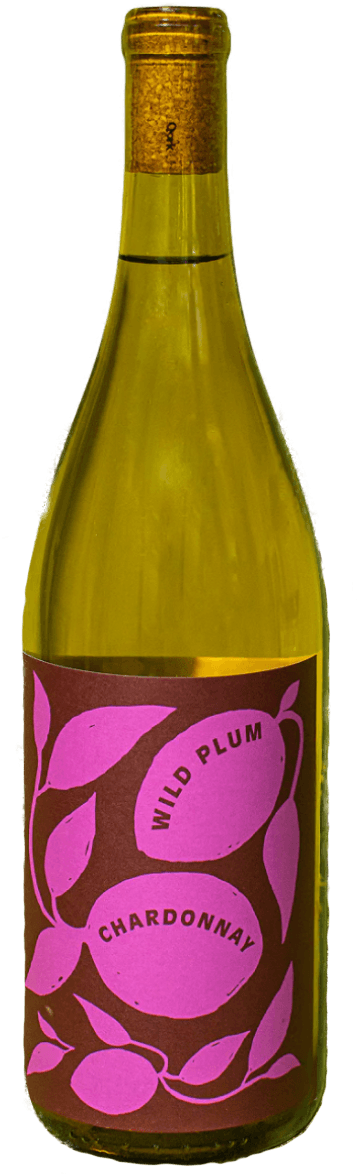
Chardonnay, Carneros
California · CarnerosWild Plum - An extremely bright, full, intense expression of Chardonnay that reverberates with electricity.
$29.75 Member Price$35.00 Regular
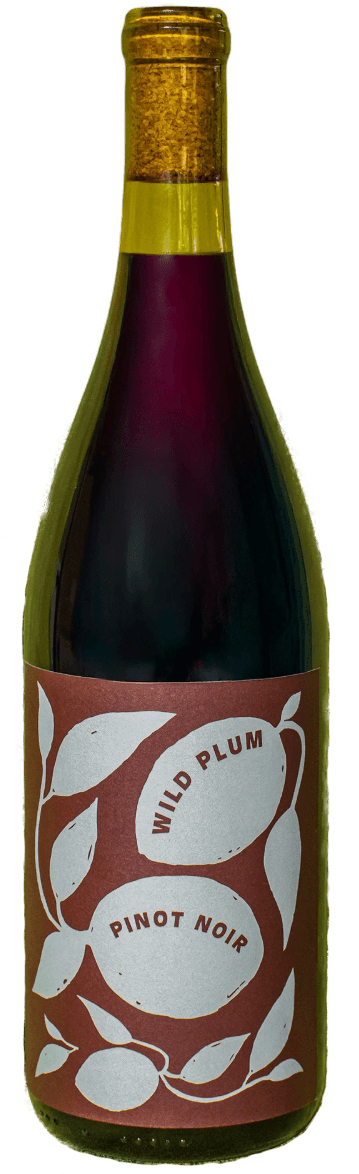
Pinot Noir, Carneros
California · CarnerosWild Plum - An experiment in cool Pinot fermentation. Perfumed, layered, and powerfully delicate.
$29.75 Member Price$35.00 Regular