

Mas des Quernes is a small, organically farmed domaine rooted in the limestone country of the Hérault, working across two of the Languedoc's most characterful appellations: Terrasses du Larzac and the communal appellation of Montpeyroux. With 22 hectares under vine, the domaine is deliberately measured in scale — large enough to work seriously, small enough to know every parcel intimately. The cuvée names tell the story plainly: borrowed in spirit from the Burgundian tradition of naming wines for their dominant parcel, each name is a description of the landscape as the people who farm it actually see it. A badger that settled the year a parcel was acquired, beehives kept by a neighboring apiarist, an oak tree with two trunks, a slope that faces the rising sun. It is, as the domaine puts it, a small everyday poetry — but one rooted in a very peasant kind of sense. The wines carry that same quality: honest in their ambitions, deeply of their place, and made with the conviction that good sense and beautiful terroir are the only secrets worth knowing.

Terroir
Mas des Quernes draws on two distinct terroirs within the Hérault. In the Terrasses du Larzac appellation, centered on Saint-Jean-de-Fos, the domaine farms the limestone plateaux that define this high, windswept appellation — soils that impart freshness, mineral tension, and structural complexity to the wines grown on them. This is cool-climate Languedoc, where altitude moderates the Mediterranean heat and the calcareous bedrock disciplines the vine. In Montpeyroux, under that village's own communal appellation, the character shifts subtly: the domaine's marne parcels — marl-based soils — provide the foundation for the Carignan vines that give rise to Le Blaireau. Marl's particular combination of clay and limestone retains moisture while imposing discipline, contributing to the roundness and dark-fruited depth that characterizes wines grown on it. Across both zones, the domaine now farms 22 hectares in certified organic viticulture, an approach that reflects both a commitment to soil health and a belief that terroir can only speak clearly when the land beneath the vines is treated with care. The parcels themselves are known individually — by name, by animal, by orientation — and that intimacy with specific ground is treated as the first condition of making honest wine.
Vinification
The cellar philosophy at Mas des Quernes reflects the same restraint and directness that governs the rest of the domaine. For Le Blaireau, the 100% Carignan from marne parcels is vinified by carbonic maceration — a technique that extracts the variety's characteristic dark fruit and tapenade richness while preserving roundness and managing tannin. The aim is not freshness for its own sake, but a wine that tames just slightly the rusticity inherent to Carignan without erasing it: the grape's wild, earthy character remains the point, merely made more approachable. For Les Ruches, the flagship Terrasses du Larzac blend of Grenache, Syrah, Mourvèdre, and Carignan, élevage is conducted entirely in tank. This choice is deliberate: the goal is to protect the juicy, complex, appellation-true character of the wine without the overlay of wood, allowing the limestone terroir and the particular freshness of the Terrasses du Larzac to speak without mediation. The result is a wine that is serious in structure and depth while remaining accessible in its youth — a balance that requires the fruit itself to carry the weight that oak would otherwise provide.
Philosophy
At Mas des Quernes, the philosophy is disarmingly practical and all the more persuasive for it. Good sense comes first — before technique, before ambition, before any aspiration toward grandeur. The domaine does not seek growth beyond what the land and the team can support with genuine attention, and the goal articulated for the years ahead is not expansion but greater calm: more serenity, deeper knowledge of the terroir, and the ability to meet whatever challenges arrive — climatic or otherwise — without being overwhelmed by them. The naming of the cuvées encodes this ethic precisely. Rather than reaching for evocative or historically weighted labels, each wine takes the name of its principal parcel, and each parcel takes its name from something plainly observed: an animal, a neighbor's trade, the orientation of a slope, the silhouette of a tree. It is, deliberately, not the poetry of the Côte d'Or — but it is a poetry of another kind, anchored in a peasant intelligence that has always known how to read a landscape. The Burgundian influence is acknowledged in structure — the majority parcel names the cuvée — but adapted honestly to a Languedoc reality of blends and direct, descriptive place-names. The wines are made to reflect that same candor.
History
Mas des Quernes was founded in 2010, with an original holding of 10 hectares situated between the villages of Montpeyroux and Saint-Jean-de-Fos. The current winemaker joined the domaine as an employee in 2012 and took over its direction in 2019 — bringing with him nearly a decade of accumulated knowledge of these specific soils and parcels before assuming full stewardship. Since the transition, the estate has grown to 22 hectares farmed entirely in organic viticulture, now spanning two distinct appellations: Saint-Jean-de-Fos within the Terrasses du Larzac appellation, and Montpeyroux under its own communal designation. That arc — from 10 to 22 hectares, from employee to owner, from apprenticeship to authority — represents a continuity of vision rather than a rupture. The stated ambition is not further growth; 22 hectares was always roughly the size the domaine was meant to be. The work ahead is one of deepening: refining the understanding of a terroir that is still being learned, building a team worthy of the task, and navigating the pressures of climate change with as much serenity as the land will allow.
Wines to know
Le Blaireau (IGP Pays d'Hérault) is a single-varietal expression of 100% Carignan sourced from the domaine's marne parcels outside Montpeyroux. Vinified by carbonic maceration, it delivers dark fruit — blackberry, tapenade, black olive — with a characteristic roundness rather than primary freshness. The technique tames without domesticating: the wine retains the rustic, earthy energy that makes Carignan compelling, while achieving a suppleness that makes it genuinely pleasurable. The cuvée takes its name from a badger — un blaireau — that made the parcel its home in the year the domaine acquired it. Les Ruches (Terrasses du Larzac) is the domaine's most important cuvée, a blend of Grenache, Syrah, Mourvèdre, and Carignan grown on the limestone plateaux of the appellation. Élevage in tank preserves the wine's hallmark juiciness and freshness, while the complexity of the blend and the minerality of the terroir give it genuine seriousness. It is, in the domaine's own terms, a wine squarely in the spirit of the Terrasses du Larzac — layered and structured, yet approachable in its youth. The name derives from the dominant parcel, Les Ruches, so called because a neighboring beekeeper keeps hives on the adjoining land.

Wines from Mas des Quernes
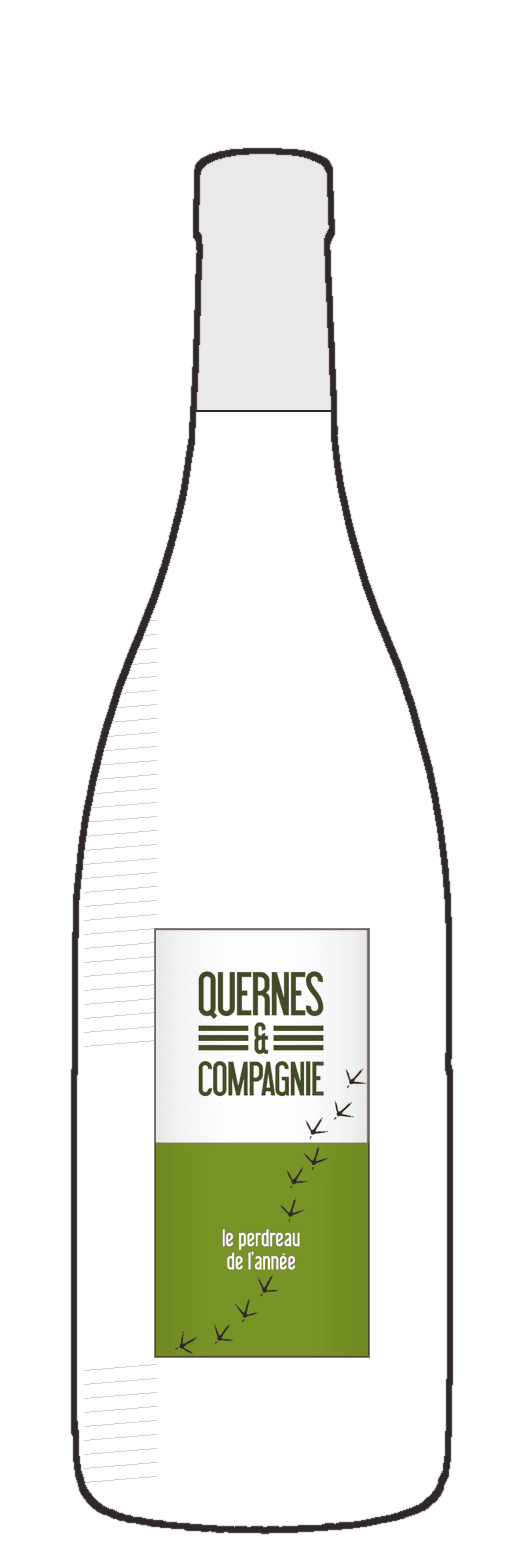
White Blend, Languedoc
LanguedocVIN DE FRANCE - Le Perdreau de l'Annee, Mas des Quernes
$17.00 Member Price$20.00 Regular
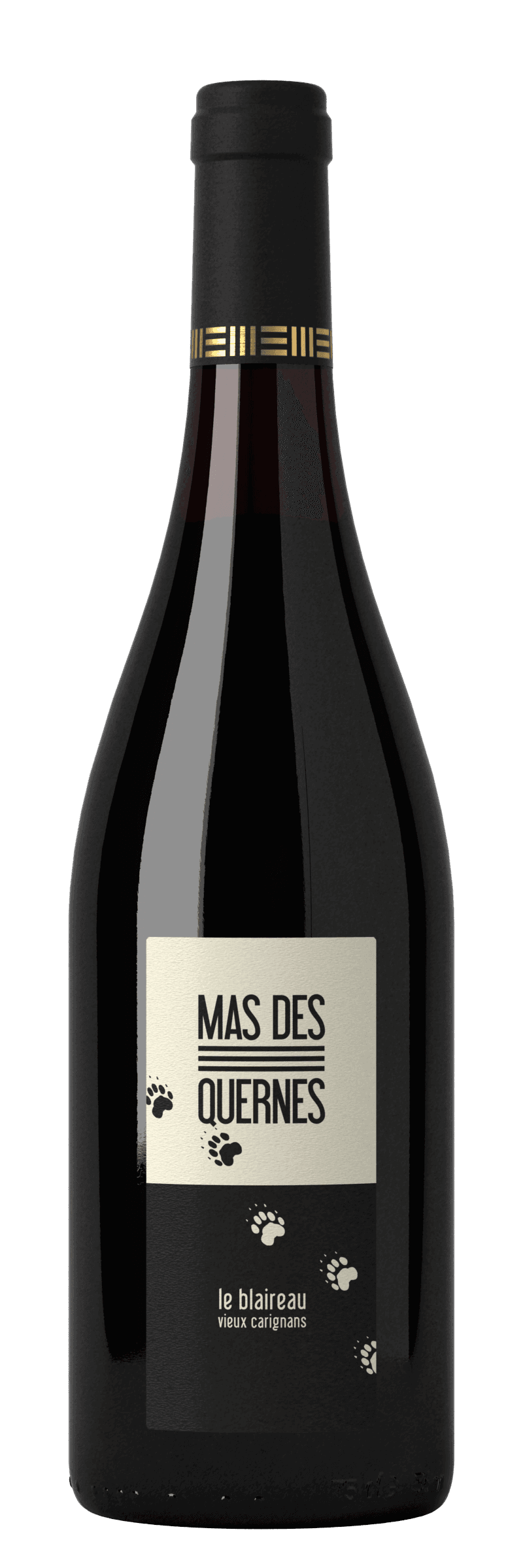
Carignan, Languedoc
LanguedocPAYS D'HERAULT - Le Blaireau - Old Carignans that will blow your mind
$28.90 Member Price$34.00 Regular
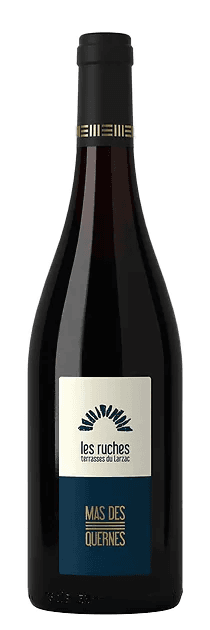
Red Blend, Larzac
LanguedocTERRASSES DU LARZAC - Les Ruches - GSM and Carignan blend from the south
$35.70 Member Price$42.00 Regular